
You hit 40. Your diet is the same. You still exercise. Yet suddenly your favorite jeans refuse to button.
Most people write off this sudden weight gain. Even some older doctors say afternoon exhaustion is just a normal part of getting older. You might find yourself searching the internet and wondering why am I gaining weight in my 40s.
But science tells a completely different story. A major 2021 study from Duke University looked at 6500 people. Herman Pontzer, PhD, and his team found a shocking truth. Your cellular metabolism stays totally stable from age 20 to 60.
The slowdown you feel is real. But it is not a broken metabolism. It is a mix of hidden muscle loss, shifting hormones, and sneaky lifestyle changes. You do not have to accept a metabolism slowing down in your 40s.
Here are the nine hidden signs of slow metabolism stalling your engine.
1. Your Clothes Fit Differently Around the Middle

Have you noticed your pants feeling snug right at the waistline? Belly fat is often the very first clue of your body changing.
As you get older, hormones like estrogen and testosterone begin to drop. This forces your body to shift fat storage from your hips and thighs directly to your stomach. If you are asking yourself about gaining weight in my 40s, this shift is a big reason why.
At the same time, your natural insulin resistance starts to climb. This makes your body store extra carbohydrates as visceral belly fat instead of burning them for fuel.
It is a major hormonal change. It is not just a simple calorie problem. These subtle shifts are common signs of slow metabolism at the cellular level.
2. You Feel Physically Weaker (The Muscle Trap)

Do you struggle to open jars or carry heavy groceries? Muscle is the engine. Food is the gas.
As you hit middle age, a natural process called sarcopenia speeds up. This is the natural loss of muscle tissue. Adults lose three to five percent of their muscle mass every ten years starting in their thirties. You lose this muscle faster if you avoid resistance training.
Less muscle means a lower basal metabolic rate. Your body burns fewer calories while you sleep or sit at a desk. Building new muscle is the absolute best method for boosting metabolism after 40.
Dr. Joseph St. Pierre notes that your muscle mass directly dictates your daily energy expenditure.
3. You Hit a Brick Wall at 3 PM Every Day

Do you desperately need a nap around three in the afternoon? While this feels like a caffeine deficiency, it is actually a sign of poor energy conversion.
Your body struggles to turn food into fuel efficiently. Blood sugar spikes and crashes become much more severe as we get older. Your cells lose their insulin sensitivity.
This constant exhaustion is a classic sign of your metabolism slowing down in your 40s. Your engine is sputtering instead of running smoothly.
4. Your “Tried and True” Diet Stopped Working
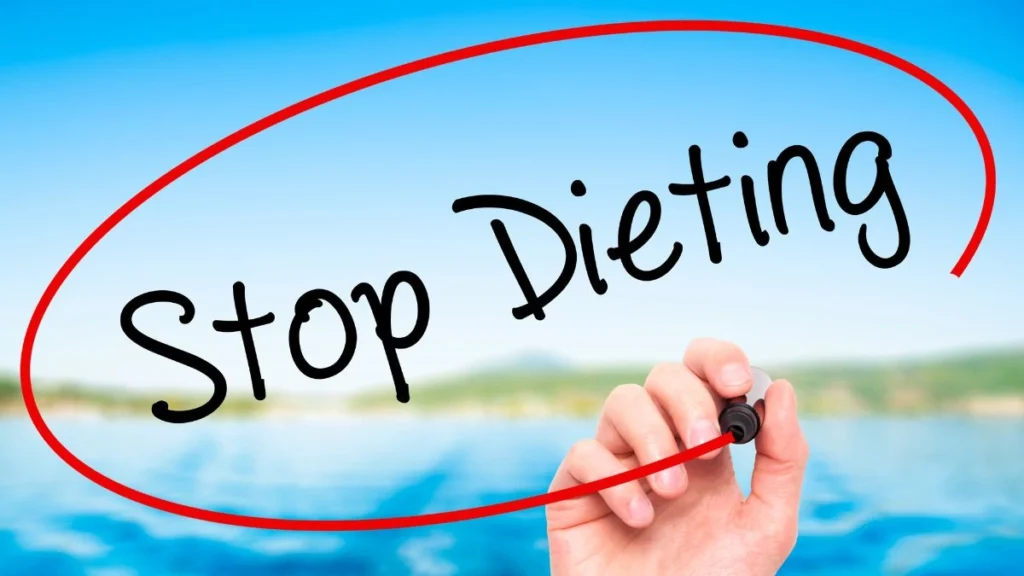
Did you try eating less, but the scale refuses to move? Cutting calories drastically is the worst thing you can do right now.
It actually forces your body into a panic state. Your body thinks you are starving. This panic creates an even slower metabolic rate to conserve fuel.
Studies show that diets under 1200 calories can drop your total daily energy expenditure by hundreds of calories. Your body clings to every single ounce of fat it can find.
This stubborn weight plateau is one of the most frustrating signs of slow metabolism. You cannot starve yourself into a healthy body.
5. You Find Yourself Craving Sugar and Carbs

Do you constantly crave cookies or bread? When your internal engine is sluggish, your body begs for quick and accessible energy.
Sugar and carbohydrates provide that instant hit of glucose. High stress levels produce excess cortisol. Poor sleep increases the production of ghrelin. Ghrelin is your primary hunger hormone.
This combination creates intense cravings that are nearly impossible to ignore. If you find yourself asking why am I gaining weight in my 40s, look at your stress levels first.
6. Your Daily Step Count Has Secretly Plummeted

Do you sit down as soon as you get home from work? We become naturally more sedentary as we get older.
Desk jobs and sheer exhaustion dramatically reduce your Non Exercise Activity Thermogenesis. This concept is called NEAT. NEAT includes simple movements like tapping your foot, standing at a desk, and walking around the house.
These small movements can burn up to 2000 extra calories a day compared to sitting perfectly still. Moving more throughout the day is essential for boosting metabolism after 40.
7. You Are Constantly Freezing

You might notice you need an extra sweater in the office, even in July. Feeling constantly cold is a major red flag for an underactive thyroid.
This condition is called hypothyroidism. Thyroid issues peak in middle age, particularly for women. Your thyroid directly controls your basal metabolic rate.
When your thyroid slows down, your internal temperature drops. This leaves you shivering while everyone else feels fine. Freezing hands and feet are completely overlooked signs of slow metabolism.
8. Your Digestion is Suddenly Sluggish

Do you feel bloated after eating normal meals? Digestion and energy burn are deeply linked.
The Thermic Effect of Food is the energy required to digest your meals.
| Food Type | Calorie Burn During Digestion | How it Affects Your Body |
| Protein | 20% to 30% | Keeps you full longer |
| Carbohydrates | 5% to 10% | Provides a quick energy spike |
| Fats | 0% to 3% | Burns very slowly |
Eating protein temporarily increases your calorie burn by 20 to 30 percent. Carbohydrates only increase it by 5 to 10 percent.
Skimping on protein slows your digestion down significantly. This sluggish digestion is a clear indicator of your metabolism slowing down in your 40s. You miss out on free calorie burning when you do not eat enough meat or eggs.
9. Your Sleep Quality Has Tanked

Do you wake up at two in the morning and stare at the ceiling? Fragmented sleep completely disrupts your circadian rhythms.
These rhythms dictate your daily energy burn. Sleeping less than six hours chronically lowers your leptin levels. Leptin is the hormone that tells your brain you are full.
Poor sleep also increases your blood sugar instability. This creates a terrible cycle of exhaustion and hunger. This sleep disruption is a massive reason why am I gaining weight in my 40s.
Take Control of Your Engine
Your cellular engine is not permanently broken. The sudden weight gain and heavy fatigue you feel are entirely reversible. They are simply symptoms of muscle loss, high stress, and natural hormonal shifts. You can turn things around starting today.
Metabolic Baseline
The Foundational Protocol
1. Nutritional Anchor
Start by adding twenty grams of protein to your breakfast to stabilize blood sugar and establish all-day energy.
2. Structural Integrity
Incorporate two days of basic strength training into your weekly routine to build essential muscle mass and bone density.
3. Endocrine Check
Speak to your doctor to run a full thyroid and hormone panel just to be safe and ensure your metabolic systems are functioning optimally.