

As of 2026, nearly 40 percent of global travelers have handed their vacation logistics over to an algorithm, and for good reason.
Planning a multi stop vacation usually means drowning in conflicting reviews, confusing transport schedules, and complex group text chats. You spend hours staring at screens and worrying about booking the wrong thing. But things are much better now.
You can use modern tech to act as your personal concierge and automate the busy work. This guide shows you exactly how AI trip planning fixes your logistics. You will learn how to use the best AI travel tools to save massive amounts of time.
1. Instant Itinerary Generation in Seconds

Before AI, building a daily schedule took days of intense research. Now, you can generate an entire plan instantly. You can easily move past generic lists and get day by day schedules.
A McKinsey report notes that 84 percent of travelers who use generative AI for travel find it improves their experience.
You can use tools like Stippl or ChatGPT for quick first drafts. Avoid asking basic questions like “Plan a trip to Europe” to get better results. Instead, give the software strict rules. Tell the bot exactly what to generate travel itinerary rules you need:
- Your exact dates
- Your total budget
- Your preferred walking pace
2. Hyper Personalized Destination Discovery

Before smart tools, you only found the same ten crowded tourist spots online. Now, algorithms match your specific vibe perfectly. You can easily find quiet beaches instead of loud party hostels.
According to a May 2026 Mastercard Economics Institute report, smart tools push travelers to lesser known alternatives. For example, people are visiting Leipzig instead of Berlin. This effectively expands the global tourism map.
Furthermore, conversions climb 18 to 25 percent when platforms use this level of personalization.
3. Seamless Group Collaboration and Cost Splitting

Group math used to destroy friendships before the vacation even started. Now, you can end the nightmare of splitting bills forever. Friends can see live visual maps together and share ideas.
Apps like Travelry and Wanderlog are incredibly helpful for groups. They give you amazing tool features:
- Shared daily mapping
- Live group editing
- Integrated expense tracking
They combine your plans with real time cost splitting via Stripe. Beyond just booking, these apps keep everyone on the exact same page.
4. Smart Route Optimization

Finding the best route between four cities used to require a giant map and a massive headache. Now, an AI travel planner 2026 calculates the actual geographic flow of your day. You can minimize backtracking completely.
The software groups your activities by neighborhood. Furthermore, it stops you from crossing town three times in one single afternoon.
5. Dynamic Budgeting & Cost Analysis

Guessing how much money you need is always a massive risk. Now, algorithms compare date windows to find the absolute cheapest times to visit. You can easily estimate the cost of living for longer stays.
You can also track your expenses live. According to the Mastercard report, AI users allocate roughly twice the share of their wallet to accommodations. They optimize other costs dynamically to afford better hotels.
6. Real Time Flight and Price Tracking

Checking flight prices manually every day is a complete waste of time. Now, smart engines scan billions of flight combinations instantly to flag the lowest price. You can finally know if a deal is actually good.
The tools give you color coded calendars and monitor price history. However, you still need to book quickly when the alert drops.
7. Interactive Visual Inspiration

Reading boring text descriptions makes it very hard to choose a location. Now, you can move from text to video based recommendations. You get to see a destination before committing your money.
Apps like Layla use algorithms to surface relevant creator video content alongside travel recommendations. Beyond just booking, this helps you picture yourself actually walking down the street.
8. Adapting to Weather and Seasonality

Bad weather ruins more vacations than almost anything else. Now, your phone suggests alternate indoor plans during rainy seasons. You can ensure specific attractions are actually open during your exact dates.
Furthermore, it shifts your schedule automatically if a huge storm rolls in.
9. Granular Dietary Restriction Matching

Finding safe food in a foreign country is scary for people with allergies. Now, you can find highly rated local restaurants for specific diets instantly. Vegans and people with Celiac disease can locate safe spots with zero stress.
Conversely, guessing what is on a foreign menu is a huge gamble for your health.
10. Automated Packing Lists

Forgetting your swimsuit or heavy coat is incredibly frustrating. Now, the best AI travel tools generate packing lists based on real time climate data. They look at your exact activity plans to suggest clothing.
They also warn you about local cultural norms so you dress appropriately. Beyond just booking, this ensures your suitcase is perfectly prepared.
11. Conversational On Trip Assistance

Getting lost or delayed feels terrible when you are entirely alone. Now, you can have a 24/7 concierge in your pocket via platforms like WhatsApp. You can adjust plans on the fly if you get tired.
About 64 percent of travelers say they would use an assistant during their trip for real time pivots. Furthermore, it gives you deep peace of mind when things go completely wrong.
12. Instant Multilingual Translation & Cultural Context

Staring blankly at a local shop owner is super awkward. Now, you can break down language barriers instantly. You get quick briefs on local tipping customs and polite etiquette.
Conversely, acting like a clueless tourist makes you a massive target for street scams.
13. Highlighting Visa & Travel Document Needs
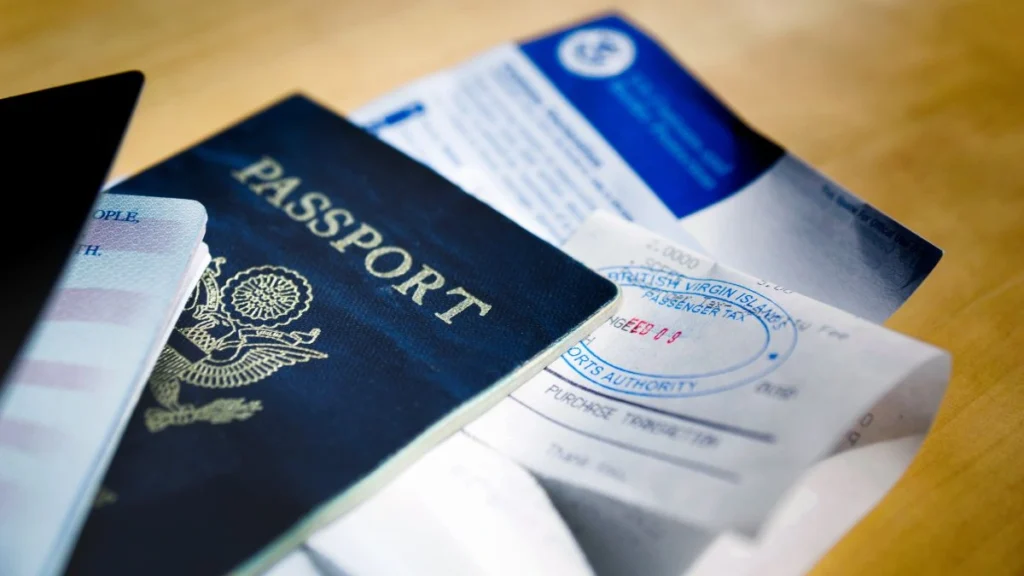
Showing up to an airport without the right visa is a total disaster. Now, tools flag passport validity rules immediately. You get early warnings for basic entry requirements based strictly on your nationality.
Beyond just booking, this simple step keeps you from being denied boarding at the gate.
And 3 Ways AI Can Still Let You Down
Blindly trusting technology with your entire vacation is a massive mistake. You must watch out for these dangerous traps.
1. Hallucinating Travel Times and Logistics

Think of AI as your eager intern. It is great at research, but you still need to review the work carefully. Even in 2026, a major flaw of standard language models is misunderstanding the fatigue threshold of actual human travel.
The algorithm has a strong tendency to create completely unrealistic itineraries with highly impractical distances.
For example, it might suggest a ten hour drive is just a quick day trip. It does not factor in huge traffic jams or the time it takes to park a rental car. However, humans know exactly when they need a break.
2. Missing Crucial Nuances in Ticket Rules & Visas

Blindly trusting a bot with visa requirements can result in getting turned away at the border. AI trip planning is amazing, but it should never be your final authority on border compliance. Algorithms often miss tiny details about baggage rules or strict fare classes.
They might tell you a cheap ticket is a great deal. They will completely fail to mention that the ticket does not allow a carry on bag. Furthermore, border rules change overnight and software updates are often delayed.
3. Lacking the Local Vibe Check
A computer has never actually walked down a dark street at midnight. Algorithms fail to catch local strikes or sudden closures that happen without warning online. They are terrible at predicting if a neighborhood is actually safe or walkable at night.
A hotel might look incredibly cheap and close to the city center on a digital map. The computer will not tell you it sits next to a noisy nightclub or a sketching alleyway.
Conversely, a human reading recent hotel reviews will spot these massive red flags instantly.