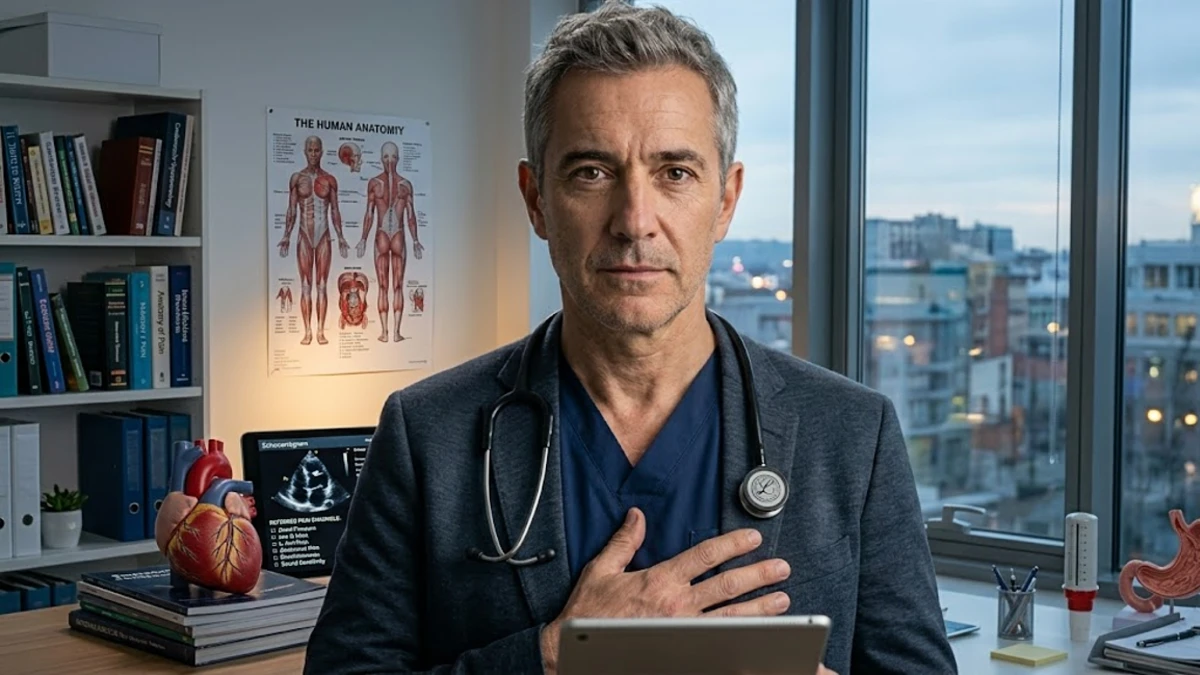
Dr. Robert Sterling often told his medical students the same story. “I have diagnosed thousands of blocked arteries in my career. But when my own widow maker artery was 95 percent blocked at age 52, I blamed it on a bad cup of coffee.”
Most people wait for the classic movie scene. They expect crushing chest pain. They completely ignore the body when it sends subtle distress signals. Knowing the real heart attack signs right now could save your life.
You will learn the exact symptoms that happen days or weeks before a major cardiac event. These are the early symptoms of heart attack that people dismiss every single day.
How Did a Healthy Doctor Miss the Warning Signs?
Dr. Sterling ran three miles every morning. He ate a strict Mediterranean diet. He felt great. He fell into the classic psychological trap of denial.
He thought a cardiac event could not happen to him. It is easy to brush off mild pain when you consider yourself perfectly healthy.
But heart disease does not care about your jogging routine. The Centers for Disease Control and Prevention reports alarming data for 2026. A massive percentage of acute myocardial infarctions occur without traditional chest pain.
Furthermore, American Medical Association data shows approximately 45 percent of heart attacks are completely silent. They present with very strange and atypical symptoms.
People brush off the discomfort as a summer cold or general fatigue. Dr. Sterling did the exact same thing. He let his ego override his extensive medical training. He ignored the vital clues his body gave him.
He nearly died because of it. You do not have to make the same mistake. Pay attention when your body feels off. It is trying to tell you something important.
1. Profound and Unexplained Fatigue
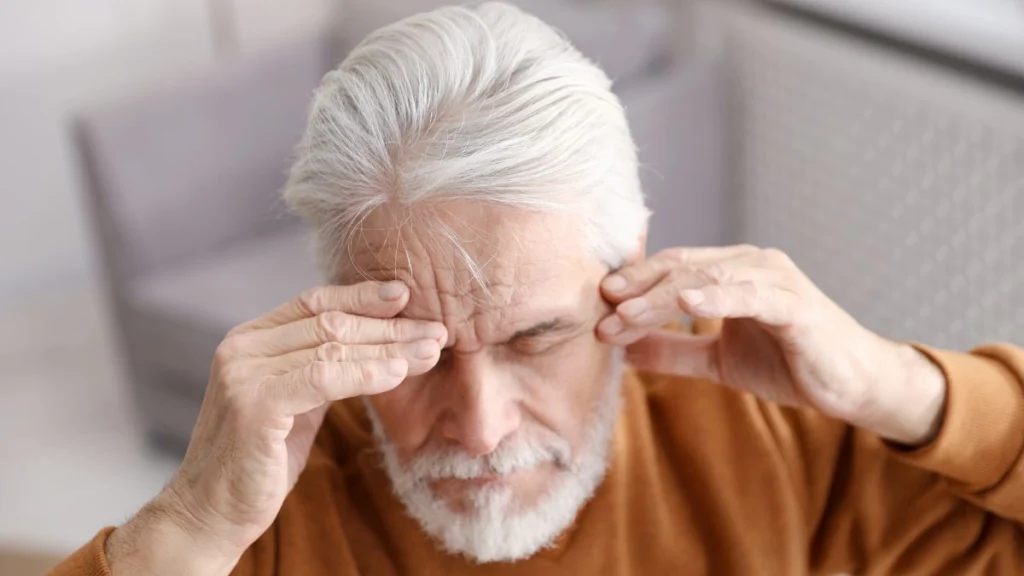
This feels like you ran a marathon when you only walked to the kitchen. It is not just the feeling of working a long shift. You feel a bone deep exhaustion that stops you in your tracks. You might feel too weak to walk up a single flight of stairs.
Unlike regular tiredness, a nap does not fix this. Your heart is struggling to pump blood. Red Flag: You feel completely wiped out after doing your normal daily routine.
2. Jaw and Neck Aches
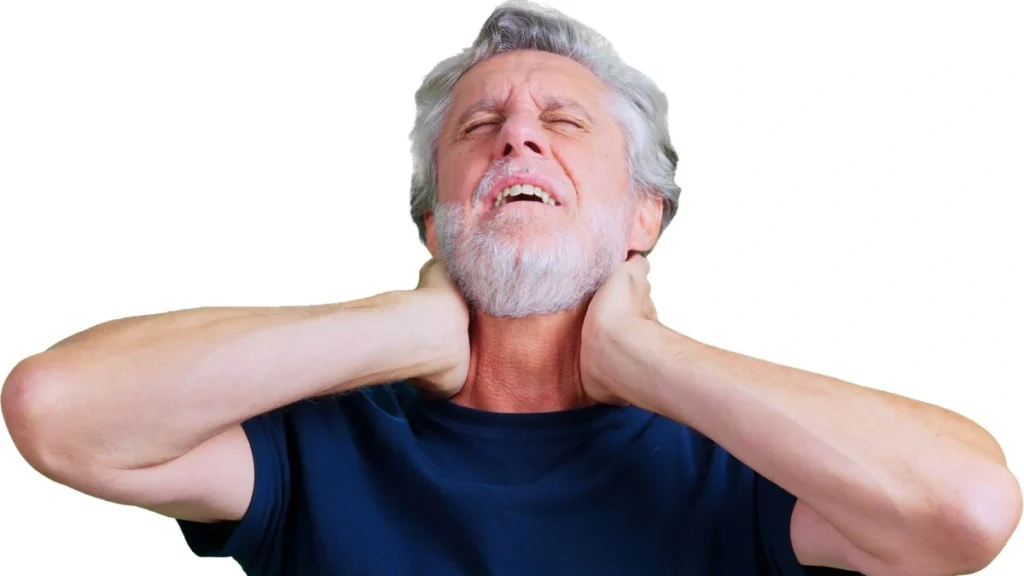
You feel a dull ache radiating up the side of your face. People often mistake this pain for a dental issue or bad posture. Dr. Sterling thought he was grinding his teeth in his sleep. Unlike a toothache, this pain might get worse when you walk or exercise.
The pain originates in your heart but travels up your nerves. Women experience this symptom very frequently according to the most recent American Heart Association guidelines. Red Flag: Your jaw hurts and you also feel slightly out of breath.
3. Stubborn Indigestion or Heartburn

Your stomach burns and feels completely full even if you ate nothing. You might think you just ate something too spicy. Dr. Sterling took three antacids on a Tuesday. By Thursday, he was laying on an operating table in the cardiac unit.
Unlike normal acid reflux, this pain does not respond to standard antacids. It feels like a heavy weight sitting just below your ribs. Red Flag: The heartburn comes with a cold sweat.
4. Sudden and Cold Sweats
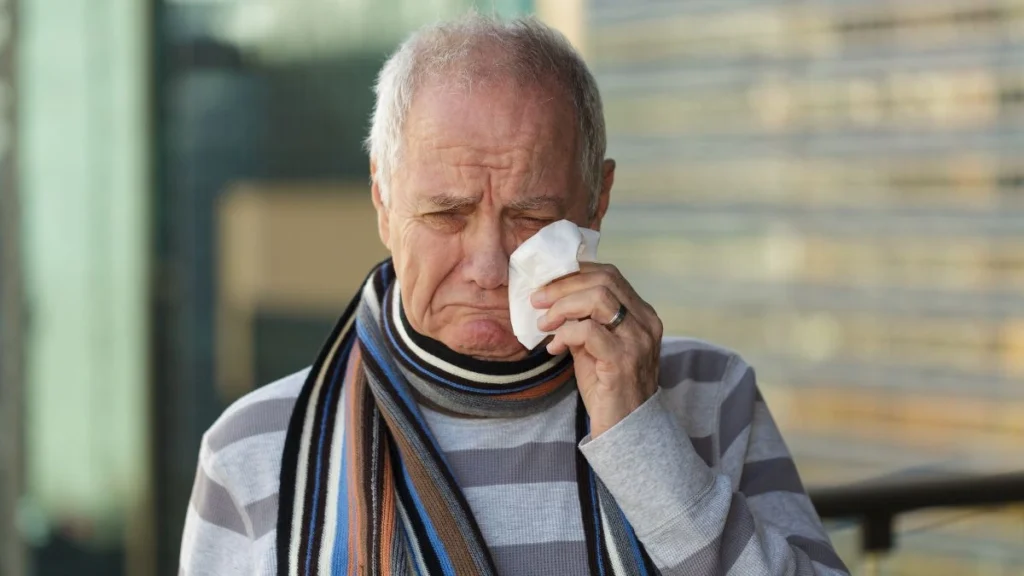
You break into a clammy sweat while sitting completely still in a cool room. It feels like the cold sweat you get right before you throw up. But your stomach is fine. Your body is trying to cool down because your nervous system is in overdrive.
A blocked artery makes your heart work incredibly hard. Your body responds by sweating heavily. Red Flag: You suddenly need to change your shirt because you are drenched in sweat for no reason.
5. Shortness of Breath on Routine Tasks

You find yourself panting while making the bed or walking to the mailbox. It feels like you are breathing through a tiny straw. Your lungs are fine. Your heart just cannot pump fast enough to deliver oxygen to your body.
Dr. Sterling had to stop and rest twice while walking to his car. He blamed the summer heat. Unlike being out of shape, this happens suddenly. Red Flag: You cannot finish a single sentence without taking a deep breath.
6. A Sudden Sense of Impending Doom

You feel a sharp and unexplained spike in anxiety. It feels like something terrible is about to happen. Your brain senses a massive physical threat before your conscious mind realizes it.
Patients often tell doctors they just felt like they were going to die. This is a very real clinical symptom. It is not just stress or panic. Red Flag: You feel an intense fear accompanied by a racing heartbeat.
7. Aching Between the Shoulder Blades
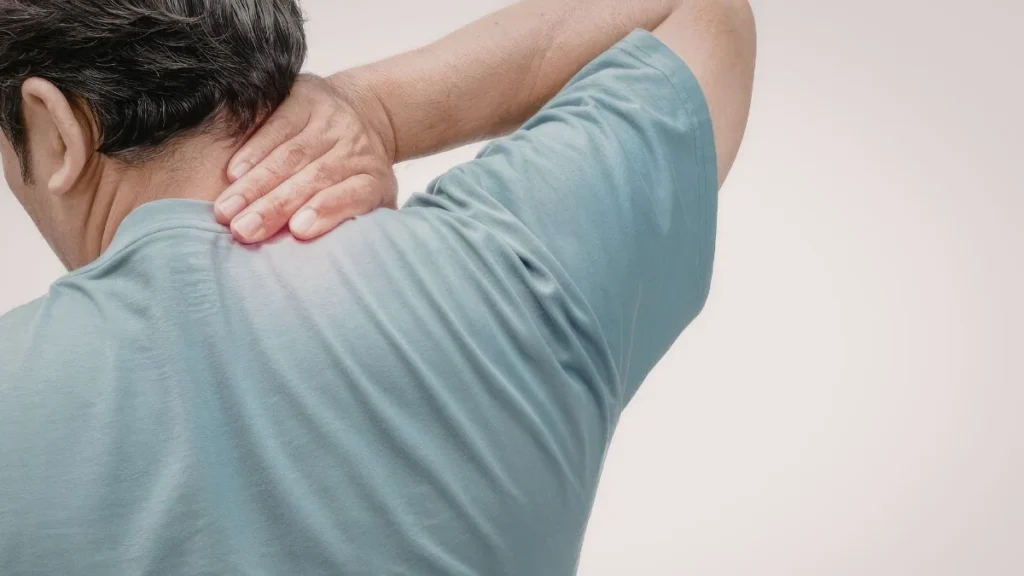
You feel a deep pressure radiating across your upper back. You might dismiss this as a pulled muscle from working out. You might think you just sat at your desk too long.
Unlike a pulled muscle, stretching or massaging the area does not help. The pain stays exactly the same no matter how you move. Red Flag: The back pain comes on suddenly and feels like a tightening band.
8. Dizziness or Vertigo
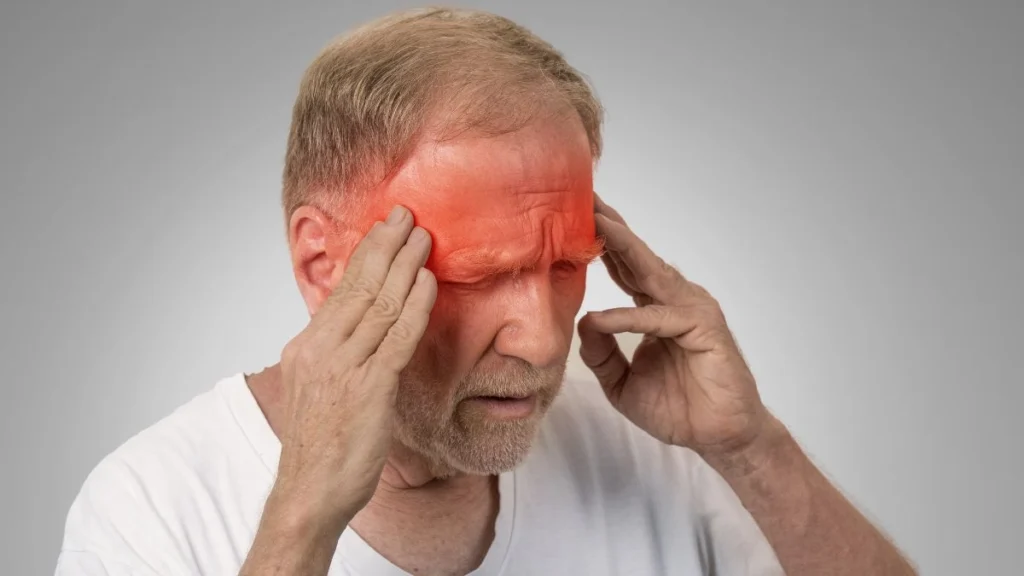
The room spins when you stand up or do light chores. You feel extremely lightheaded and unsteady on your feet. Your heart is failing to pump enough blood to your brain.
Dr. Sterling nearly fainted while tying his shoes. He blamed it on standing up too fast. Red Flag: You feel dizzy and also feel pressure in your chest or stomach.
9. Sleep Disturbances
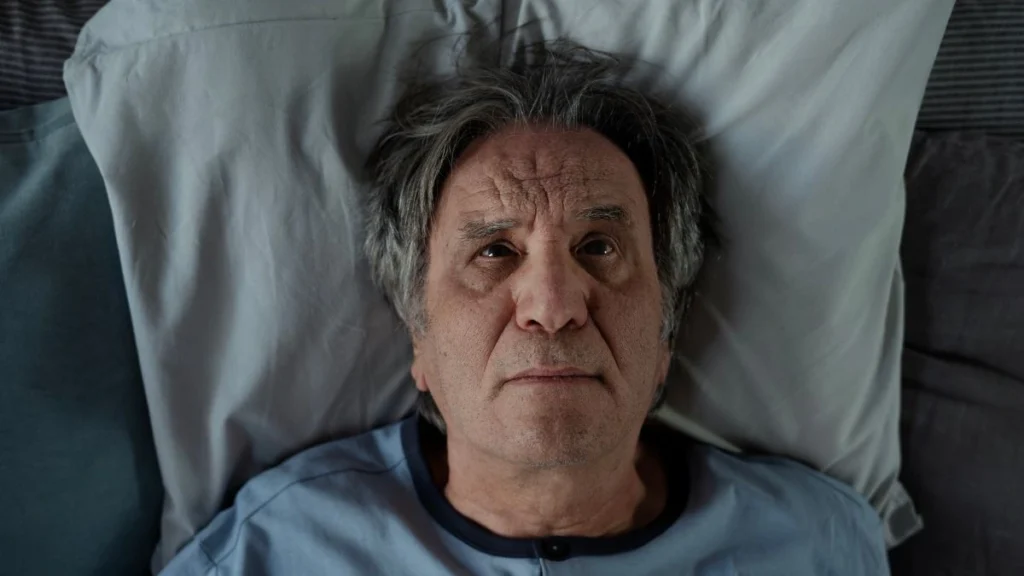
You wake up suddenly gasping for air in the middle of the night. You might experience severe insomnia in the days leading up to the event. Your body is in a state of distress.
It will not let you sleep deeply. You might think you are just stressed about work. Red Flag: You wake up from a deep sleep feeling like you cannot catch your breath.
What Are the 4 Steps to Survive Early Symptoms?
Time is muscle. Every minute you wait means more heart tissue dies. Do not wait to see if you feel better tomorrow. Do not let the fear of a false alarm stop you from getting help. It is much better to be slightly embarrassed than dead.
If you experience these unusual heart symptoms, you need to act immediately. Follow these exact steps.
Suspected Heart Attack
Immediate Life-Saving Protocol
Antiplatelet Therapy
Chew one full strength aspirin immediately to help prevent blood clotting, unless your doctor or a medical professional has specifically told you otherwise.
Activate EMS
Call 911 or your local emergency number right away. Do not attempt to drive yourself to the hospital under any circumstances.
Prepare for Arrival
If you are able, unlock your front door so paramedics can enter your home easily without having to break in or wait outside.
Reduce Cardiac Load
Sit down and try to remain as calm as possible while you wait for help. Stop all physical activity to reduce the workload on your heart.
Do not drive yourself to the emergency room. You could pass out behind the wheel. When you arrive at the hospital, advocate for yourself. Tell the triage nurse exactly what you feel. Ask them directly for an ECG and a troponin blood test.
Troponin is a protein your heart releases when it is actively dying. Modern technology is great for prevention. The FDA cleared ECG features on the 2026 Apple Watch or Google Pixel Watch are amazing tools.
The American College of Cardiology offers a great risk estimator tool online. But none of these replace a real doctor. A smart watch cannot rule out a cardiac event. You must go to the hospital.