
When a 72 year old man we will call Arthur noticed his voice sounded a bit raspy, he blamed it on a lingering cold and the fact that he was just getting older.
He isn’t alone. Millions of seniors ignore a weakening or scratchy voice. They are completely unaware that their vocal cords act as an early alarm system for the rest of their body.
But here is the real problem. Assuming a rough voice is normal can lead to missed diagnoses. You will learn why a shifting voice is rarely just age. You will see how to spot the difference between normal wear and tear and a medical emergency.
The “Aging Voice” Myth: Why the Early Warning Was Almost Missed

Arthur waited weeks to see an ear, nose, and throat specialist. He assumed his voice was simply tired. This is a common and dangerous trap.
Many people experience presbyphonia. This is the natural thinning of vocal cords as we age. It is a form of muscle loss. Think of your vocal cords like a pair of clapping hands. When the muscle thins, the hands do not touch in the middle.
Air escapes through the gap. This makes a breathy sound. Research shows that 1 in 3 adults over 60 experience these specific age related shifts.
Because this condition is common, people use it as an excuse to ignore symptoms. They think getting a weak voice is unavoidable. But dismissing these signs puts you at risk. Voice changes in older adults often hide bigger problems.
In Arthur’s case, his doctor did not find simple muscle loss. He discovered a small lesion. This growth prevented Arthur’s vocal cords from closing properly. The good news? It was highly treatable because he finally came in.
If Arthur had waited longer, the outcome might have been much worse. Seeking proper vocal cord atrophy treatment or getting a fast diagnosis is critical. Do not let the myth of the aging voice stop you from getting checked.
3 Serious Conditions That Start With a Changing Voice

When a doctor hears a raspy voice, they check for three main culprits. A shifting tone is one of the most common sudden hoarseness causes.
- Throat Cancer A tumor on the vocal folds prevents them from vibrating properly. This causes instant raspiness. Many people ignore this scratchy sound.
But a rough voice is actually one of the most reliable early signs of throat cancer. The facts are striking.
Early stage throat cancer has an exceptionally high survival rate. It often sits above 90 percent if caught at the very first sign of hoarseness. - Parkinson’s Disease You might think of physical tremors when you hear about Parkinson’s. But a vocal shift often shows up years earlier. This is called hypophonia.
It presents as a surprisingly soft, breathy, or monotone voice. Up to 90 percent of people with Parkinson’s experience speech or voice disorders. Your voice acts as a vital barometer for your brain health. - Neurological Issues or Stroke Nerve damage can cause vocal cord paralysis. This leads to choking or a sudden, dramatic shift in pitch.
Your vocal cords protect your airway when you swallow. If a stroke damages the nerves controlling them, you might sound drastically different overnight.
Catching these conditions early leads to excellent outcomes. Your body uses your voice to ask for help long before other physical symptoms appear.
Normal Aging vs. Red Flag Symptoms: A Quick Checklist

So, how do you know if you should be worried? It helps to know exactly what to look for.
Here is what doctors consider normal:
Presbyphonia
Signs of an Aging Voice
Vocal Bowing
Experiencing a slight breathiness when speaking occurs because the vocal folds lose muscle mass and bow, letting excess air escape.
Acoustic Fatigue
Noticeably losing vocal stamina by the end of the day happens as the weakened vocal muscles must work harder to produce clear sound.
Atrophy Shift
It is common for men’s voices to get slightly higher in pitch as the vocal cords thin and atrophy with advancing age.
Edema Shift
Conversely, women’s voices often get slightly lower in pitch, primarily due to hormonal changes thickening the vocal folds post-menopause.
Here are the red flags you must never ignore:
Laryngeal Red Flags
Seek Immediate Medical Evaluation
Persistent Voice Changes
Take note of chronic hoarseness that does not go away after a few weeks, as this can indicate a lesion or mass on the vocal cords.
Odynophagia
Do not ignore sharp or aching pain when swallowing food or liquids, which may suggest inflammation, an ulcer, or a tumor in the throat.
Hemoptysis
Coughing up blood at any time is a critical warning sign that requires an urgent medical scope to identify the source of the bleeding.
Globus Sensation
Consistently feeling like there is a lump stuck in your throat, even when you aren’t swallowing, warrants a thorough physical examination.
The golden rule is simple. It is called the 3 Week Rule. The American Academy of Otolaryngology has a strict clinical guideline. Any hoarseness lasting longer than 3 to 4 weeks requires an immediate evaluation by a specialist.
Most voice changes in older adults are harmless. But waiting a month to find out is a gamble you should not take.
What to Expect at the Doctor (And How to Fix It)

Seeing a specialist can be intimidating, but a visit to the doctor is fast and painless. They will likely perform a laryngoscopy. This involves passing a tiny camera through your nose to look directly at your vocal cords.
It sounds scary, but it takes just a few seconds and does not hurt. This tool helps them spot any hidden sudden hoarseness causes.
If your diagnosis is normal aging, you have great options. Voice therapy with a speech language pathologist acts like weightlifting for your throat muscles.
Experts agree that underusing your voice in retirement actually makes muscle loss worse. A therapist found through the American Speech Language Hearing Association directory can help you rebuild that strength.
If you need a medical fix, doctors offer highly effective vocal cord atrophy treatment. They can use temporary vocal cord fillers. These injections take roughly 30 minutes in an office setting.
They plump up the thinned out muscles. This simple procedure can instantly restore a patient’s ability to be heard in a crowded room. Regaining your vocal power is easier than you think.
3 Simple Ways to Keep Your Voice Strong
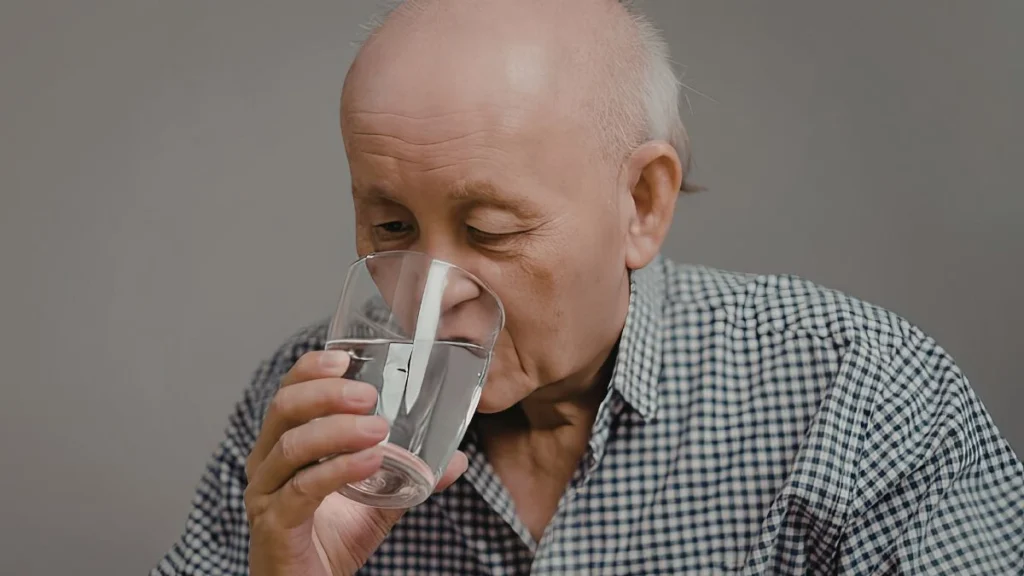
Taking care of your throat now can prevent problems later. You can protect your vocal cords with a few easy daily habits.
First, drink plenty of water. Your vocal cords need moisture to vibrate smoothly and create a clear sound. Dry cords rub together and get easily irritated.
Second, avoid straining your throat muscles. Do not yell over loud noises. If your throat feels tired after a long conversation, give it a rest.
Finally, keep using your voice. The muscles in your throat need exercise just like your arms or legs. Read a book out loud. Sing along to the radio in your car. Regular use keeps your vocal muscles active and strong.
Here is a quick guide to keeping your voice healthy every day:
| Do This to Protect Your Voice | Avoid This to Prevent Damage |
| Drink plenty of water throughout the day. | Drink too much caffeine or alcohol, which dries you out. |
| Speak at a normal, comfortable volume. | Whisper or yell, which puts extreme strain on the muscles. |
| Use a microphone if talking to a large group. | Clear your throat loudly. Swallow water instead. |
| Rest your voice completely when you are sick. | Smoke or vape, which severely damages vocal tissue. |
Conclusion
Your voice is an intricate instrument. It is also a vital barometer for your overall physical health. Losing some vocal muscle mass is normal as the years pass. But sudden or persistent shifts are your body’s way of asking for help.
Have you noticed a loved one struggling to speak loudly? Do not wait to see if it gets better on its own. Call a local ear, nose, and throat specialist today to book a simple vocal evaluation.