

You rub your eyes at the end of a long day. You probably blame screen time, stress, and a lack of sleep for the sudden blurriness. But what if your eyes are actually trying to tell you about your blood sugar?
Millions of people walk around with prediabetes or undiagnosed type 2 diabetes. They often dismiss their earliest warning signs as simple exhaustion. These subtle changes overlap with digital eye strain. Because of this, they are easily ignored.
We will uncover the six most common eye changes linked to fluctuating glucose levels. You will learn exactly when to stop blaming fatigue and see a doctor. Spotting these early eye signs of diabetes can save your sight.
1. Fluctuating Blurry Vision That Comes and Goes

After staring at a laptop for eight hours, you expect your vision to feel fuzzy. But you should pay attention if this blurriness comes and goes over a few days.
Rapid spikes in blood sugar cause fluid shifts in your body. This literally causes the natural lens of your eye to swell like a sponge. This swelling alters its shape and changes your ability to focus.
Your vision might be perfectly fine on Monday. Then you might experience severe blurry vision on Wednesday. By Friday, your sight could be clear again. This is one of the most common blood sugar eye symptoms people experience.
Many people buy a new eyeglasses prescription, thinking their sight is degrading. Then they find the glasses do not work a week later because their blood sugar spiked.
2. A Sudden Increase in Floaters or Cobwebs
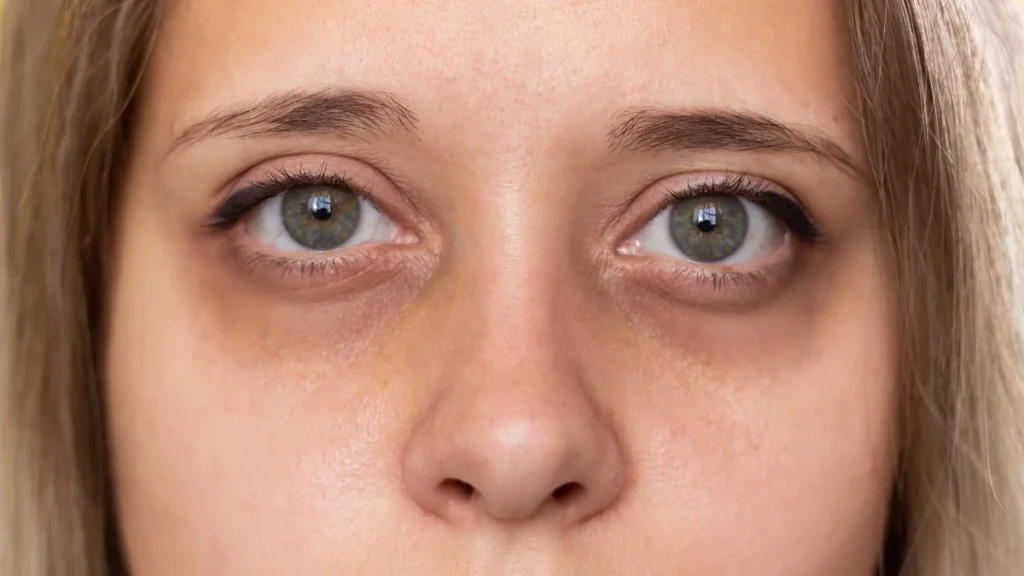
You might think you just have dust in your eye when you see spots. Floaters are dark specks, strings, or cobwebs drifting across your vision. A few of these are normal as you age. But a sudden influx is a major red flag.
While swelling lenses affect your focus, high blood sugar also attacks the back of the eye. It weakens the tiny blood vessels in the retina. This causes microscopic leaks of blood into the clear fluid of your eye.
These leaks act like a dirty camera lens. Doctors call this early diabetic retinopathy (damage to the tiny blood vessels in the back of your eye). These leaks are major signs of diabetic retinopathy.
This condition affects roughly one third of people with diabetes. The early stages often cause absolutely zero pain. Normal age related floaters move slowly and have been there for years.
3. Difficulty Seeing at Night or While Driving

Most people blame end of the day tiredness for poor night vision. Elevated glucose damages the light sensitive cells in the retina over time.
These cells are called rods. Damaged rods make it much harder to navigate low light environments. You might feel very anxious driving at night.
Oncoming headlights might feel blinding. The dark roads might look pitch black and impossible to see. These are serious early eye signs of diabetes.
4. Unexplained Dry, Gritty, or Burning Eyes

It is easy to blame dry air, screens, or lack of sleep for dry eyes. However, chronically high blood sugar causes mild neuropathy (nerve damage) in the cornea. The cornea is the clear front surface of your eye.
If your eye cannot feel when it is dry, it will not trigger your glands to produce enough tears. Diabetics are up to 50 percent more likely to suffer from Dry Eye Syndrome compared to the general population.
Ignoring these blood sugar eye symptoms can lead to painful scratches on your eye surface.
5. Colors Seem Faded or Washed Out

You might assume the lighting in your room is just poor when colors look dull. High blood sugar can actually damage the color detecting cone cells in the macula. The macula is the center part of your retina responsible for sharp vision.
This damage causes a loss of contrast sensitivity. It makes it very hard to differentiate between similar shades. The world might look slightly faded, almost like an old photograph.
Blue and yellow color vision defects are surprisingly common with vision changes prediabetes.
6. Slow Adjustment from Bright Light to Darkness

You probably assume your eyes are just exhausted from the bright sun. But high blood sugar impacts your autonomic nervous system. This system controls the muscles that dilate and constrict your pupil.
If your pupils are sluggish, you will be highly sensitive to glare. You will also be very slow to adjust when walking into a dark room. Think of the movie theater test.
You might take significantly longer than your friends to be able to see the seats when you walk inside. Sluggish pupils are subtle signs of diabetic retinopathy.
When to worry: You should worry if you stumble around in dimly lit rooms long after others have adjusted.
Stop Blaming Fatigue and Take Action

Dismissing these signs as mere fatigue gives blood sugar problems time to cause permanent damage. The American Optometric Association states that comprehensive eye exams can detect systemic diseases like diabetes before other physical symptoms show up.
Up to 90 percent of diabetes related blindness is entirely preventable if caught and treated early.
The American Diabetes Association recommends regular dilated eye exams to protect your vision. Schedule a comprehensive eye exam today. This test can catch blood vessel damage before you even notice a problem.
Also, contact your primary care doctor for a blood test to check your glucose levels. Spotting the early eye signs of diabetes gives you the power to take control of your health.
Ask your doctor for:
- A dilated fundus exam or OCT scan
- A fasting glucose test
- A Hemoglobin A1C panel