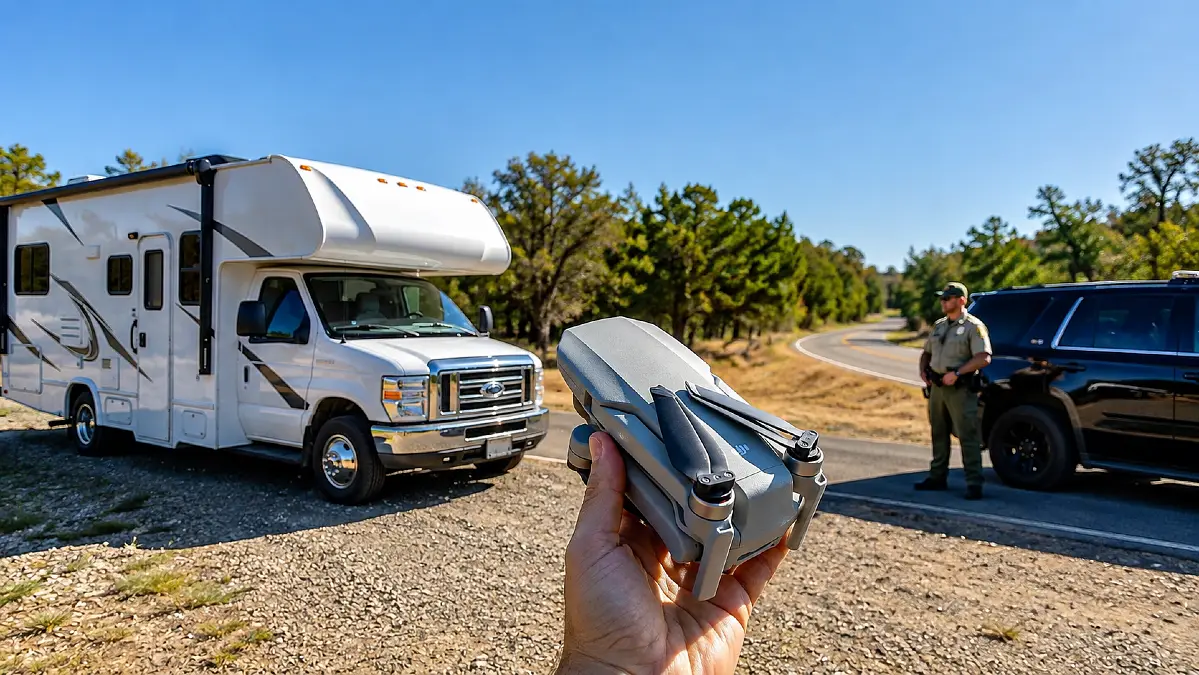
Your RV can be packed with perfectly normal camping gear, food, pets, chemicals, and travel supplies, yet some of those items may become illegal the moment you cross a state line or enter federal land.
That is what makes RV travel laws so easy to miss. Something legal at home may be banned in a national park, restricted in another state, or prohibited at the border. One small item in a storage compartment could lead to confiscation, a fine, or an unwanted roadside problem.
These 15 common RV items are worth checking before your next trip in 2026.
1. Marijuana Can Become Illegal the Moment You Enter Federal Land
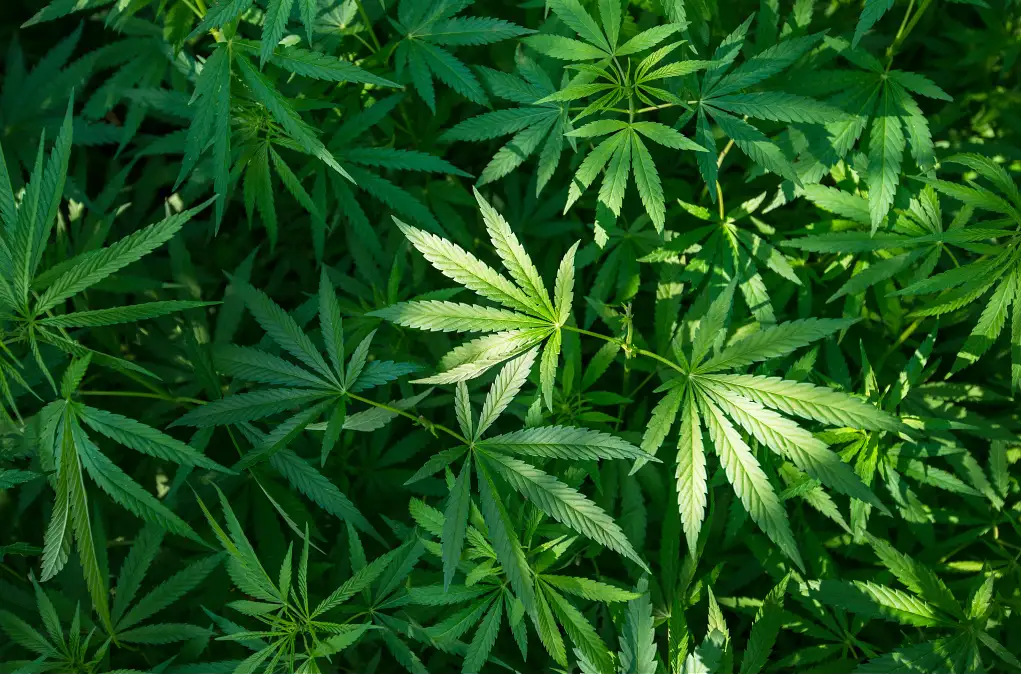
A legal cannabis purchase at home does not stay legal everywhere your RV goes. Possession of marijuana remains prohibited inside National Park Service areas under federal law, even when the surrounding state allows recreational or medical marijuana.
That matters because the rule applies inside park campgrounds too. In August 2026, Katmai National Park continued to tell visitors that marijuana possession and use are prohibited inside national parks despite Alaska’s state laws. Other current NPS pages give the same warning.
Do not assume keeping an edible or container inside the RV makes it private property outside park rules. Before entering federal land, check the agency managing the campground. State parks, national forests, BLM land, and national parks can operate under different rules.
2. Fireworks and Firecrackers Are Banned in National Parks
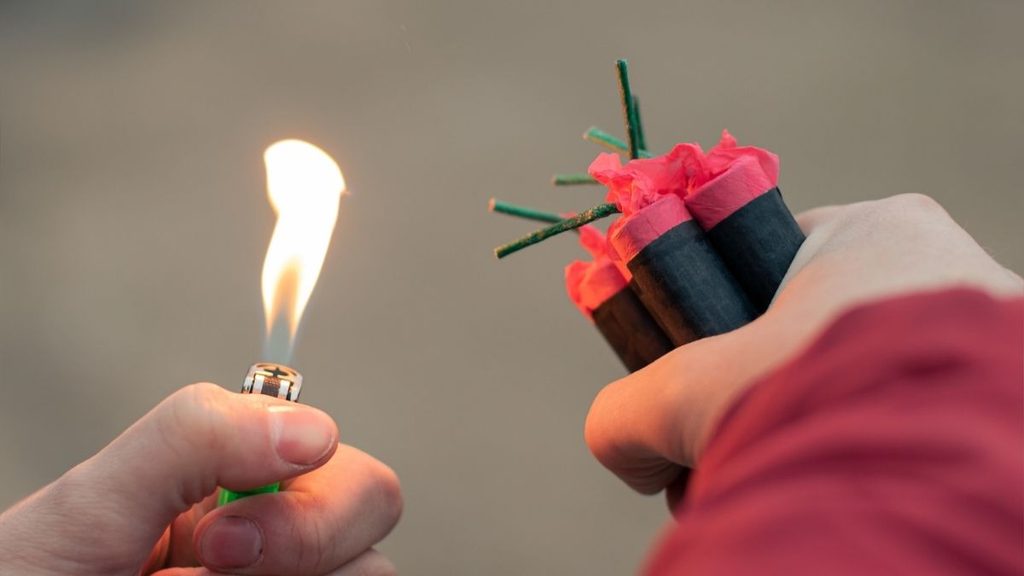
A leftover package of fireworks can create a problem before you ever light a fuse. Under 36 CFR 2.38, using or possessing fireworks and firecrackers in National Park Service areas is prohibited unless specifically authorized.
The National Park Service repeated that warning in its fireworks safety guidance, stating that visitors should not possess or use fireworks within park boundaries. That makes this different from a simple campground rule about lighting them after dark.
If your summer RV trip includes fireworks, buy them only after checking both state law and your campground rules. Do not assume sparklers, firecrackers, or small consumer fireworks are automatically exempt because they came from a legal fireworks stand.
3. An Accessible Radar Detector Can Cause Trouble in Virginia
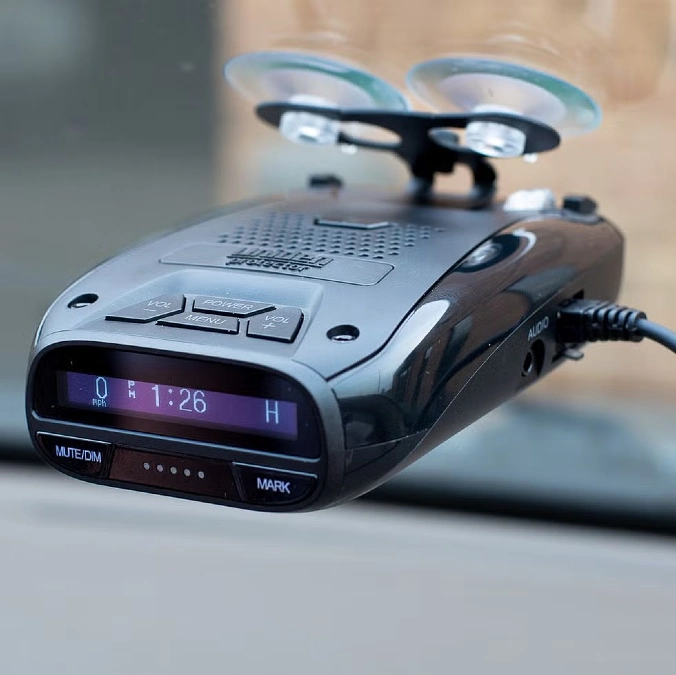
A radar detector that is fine during most of your trip needs special attention before entering Virginia. Virginia law makes it unlawful to operate a motor vehicle on state highways when it is equipped with a prohibited speed detection device.
The rule goes further than simply banning active use. Virginia says the presence of the device inside or on the vehicle can serve as evidence of a violation. There is an exception when the device has no power source and is not readily accessible to the driver or passengers.
That storage detail matters in an RV. Unplugging the detector but leaving it on the dashboard may not solve the problem. A traveler carrying one through Virginia should remove its power source and pack it somewhere that is not readily accessible.
4. A Speed Jammer Can Be Illegal Once It Is Installed
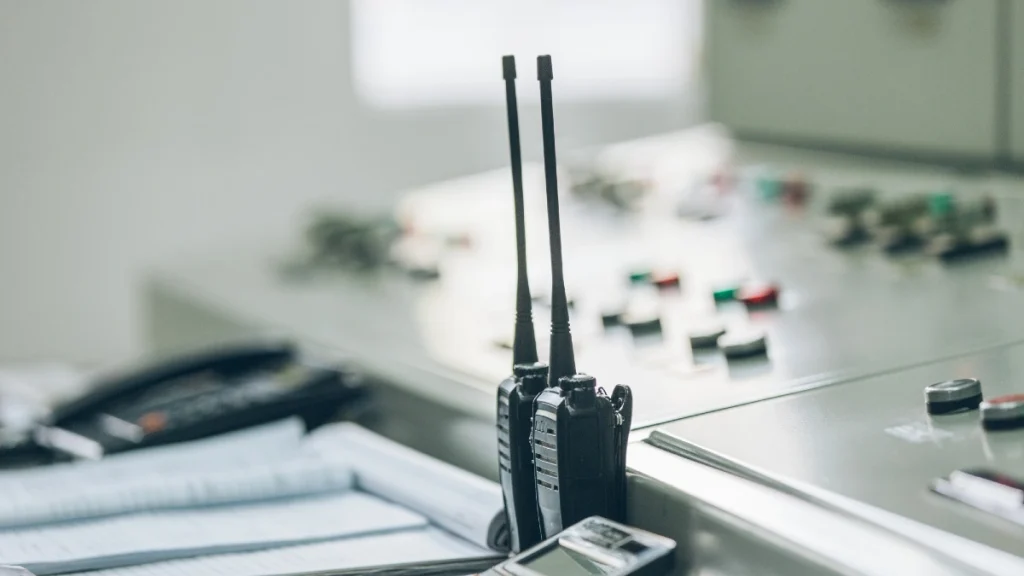
Radar detectors and speed jammers are not the same thing. A detector listens for enforcement radar. A jammer or interference device is designed to disrupt or interfere with speed measuring equipment.
Texas law prohibits a driver from using, attempting to use, installing, operating, or attempting to operate a radar interference device in a motor vehicle. The statute also restricts buying and selling such a device for prohibited use.
This is a good example of why an article claiming every item is illegal merely because it sits inside an RV would be misleading. State laws differ, and the legal problem may depend on installation or use. If your RV has electronic speed countermeasure equipment, check each state’s law before the trip.
5. An Open Bottle Near the Driver Can Violate Container Laws
An opened bottle of wine from last night’s campsite should not automatically go into a cup holder for the next day’s drive. Open container laws generally focus on alcohol that is inside the vehicle’s passenger area while the vehicle is on a public road.
Federal standards for state open container laws allow a special distinction for the living quarters of a motorhome or camper. That means an opened bottle stored in the RV’s living section may be treated differently from one sitting beside the driver. State law still controls the actual violation.
The simple rule for RV travel is to keep opened alcohol away from the driver’s area and check the law in the state you are crossing. Do not assume the entire motorhome counts as a house while it is moving.
6. Some RV Toilet Chemicals Are Illegal to Use in California
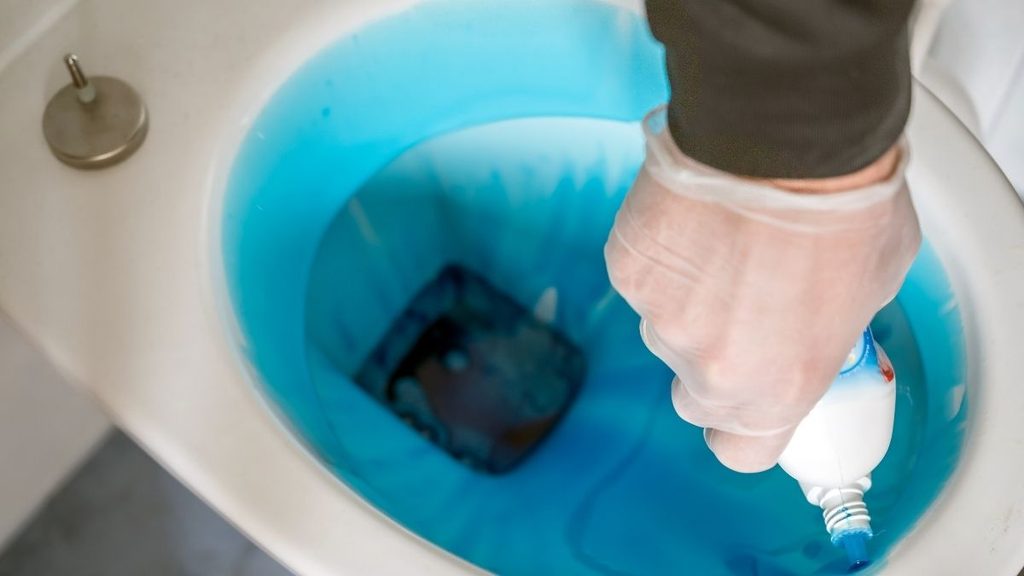
That old bottle of black tank deodorizer deserves a label check before a California trip. California’s Department of Toxic Substances Control says some chemicals are banned from sale or use in chemical toilets in the state.
The agency draws special attention to formaldehyde, which has been used in some holding tank treatments to control odor. California’s rules prohibit nonbiodegradable toxic chemicals in chemical toilet products, and DTSC advises RV owners to avoid treatments listing formaldehyde.
This is one of the most RV specific restrictions on the list. Before using a tank treatment, read the active ingredients rather than relying on an old bottle you have carried for years. A compliant biodegradable treatment removes the legal question and is easier on many septic systems.
7. Refilled Disposable Propane Bottles Can Be Illegal to Transport
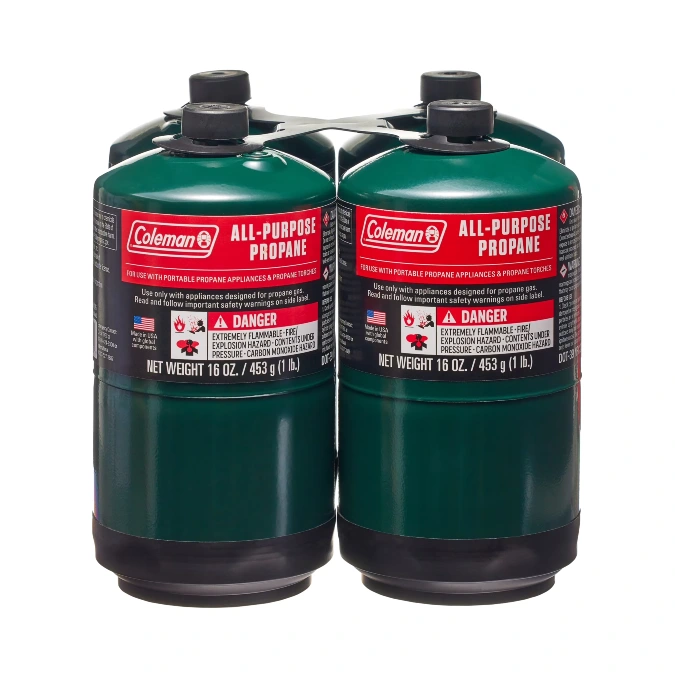
Small propane bottles are common in RV storage compartments because they power camp stoves, grills, and portable heaters. The problem starts when a cylinder designed for one time use is refilled.
The U.S. Department of Transportation’s Pipeline and Hazardous Materials Safety Administration says DOT 39 cylinders are strictly nonrefillable.
The familiar one pound camping cylinder is one common example. PHMSA has also explained that a DOT 39 cylinder emptied after its original shipment cannot simply be refilled with hazardous material and transported again.
Purpose built refillable propane bottles are different. Look at the cylinder markings before filling anything. If a disposable bottle has already been refilled, do not treat it like a normal reusable camping cylinder.
8. Untreated Firewood Can Become Illegal Across a State Line
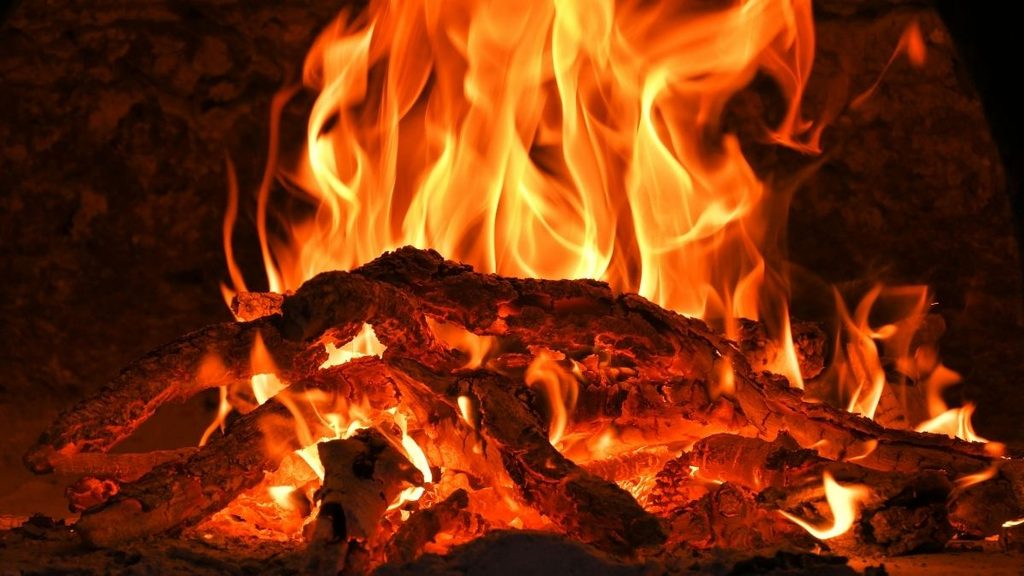
Throwing a bundle of firewood into an exterior RV compartment seems like smart trip planning. In some states, it can violate plant health rules.
Maine prohibits bringing untreated firewood into or even through the state unless it meets approved treatment and documentation requirements. Maine says violations of its firewood order can result in civil penalties.
New York has another strict rule. Untreated firewood generally cannot be brought into New York from another state or country. Untreated wood grown inside New York normally cannot travel more than 50 miles from its source unless it meets the state’s heat treatment requirements.
These laws exist because beetles, insects, fungi, and other invasive pests can travel inside wood. The easiest RV habit is also the safest one: buy firewood close to where you plan to burn it.
9. Your Legal Pet at Home May Be Prohibited in California
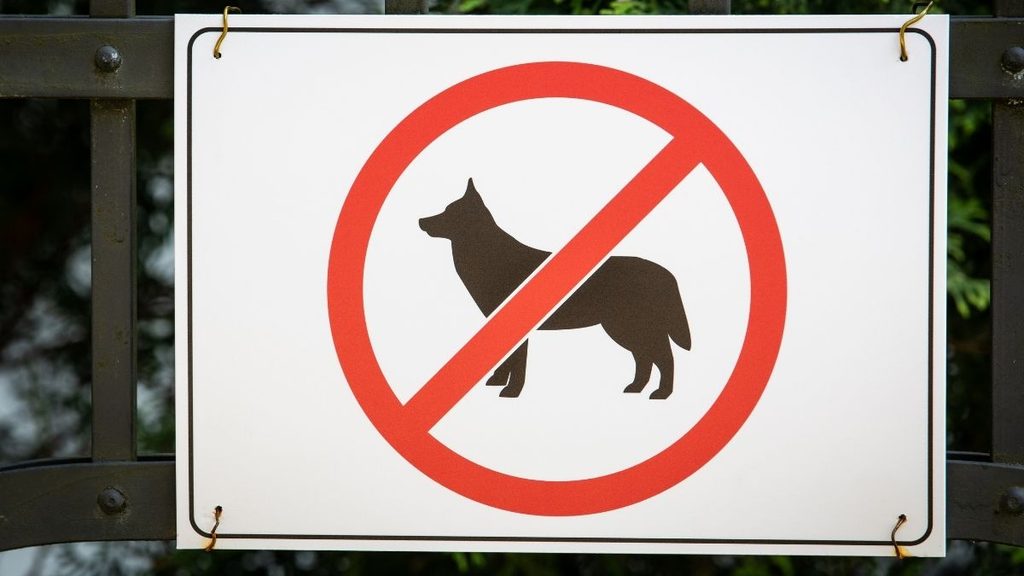
Dogs and cats usually create campground questions rather than possession problems. Exotic pets are different because states can disagree sharply about which animals private owners may keep.
California’s Department of Fish and Wildlife lists ferrets, hedgehogs, sugar gliders, gerbils, monkeys, and monk parakeets among common examples of animals that are prohibited as pets in the state.
California can issue restricted species permits for limited purposes, but those permits are not issued simply to keep a restricted wild animal as a household pet.
That means an animal legally kept at your home in another state can become a legal issue when your RV crosses into California. Owners of unusual pets should check every destination and transit state before leaving home rather than relying on the law where the animal was purchased.
10. That Pretty Bird Feather May Be Federally Protected
Picking up a colorful feather beside a trail feels harmless. Putting it on an RV shelf as a souvenir can create a federal wildlife issue.
The U.S. Fish and Wildlife Service explains that possession of feathers from protected native migratory birds generally requires authorization. Its Feather Atlas guidance notes that this protection can apply even when the feather was naturally molted or came from a bird that died without human involvement.
Eagle feathers receive additional protection. The Fish and Wildlife Service says most people cannot possess bald or golden eagle feathers without legal authorization, with specific rules serving permitted Native American religious and cultural use.
If you cannot identify a feather and verify that keeping it is lawful, leave it where you found it. A photo makes a safer souvenir.
11. Rocks From a National Park Are Not Free Souvenirs
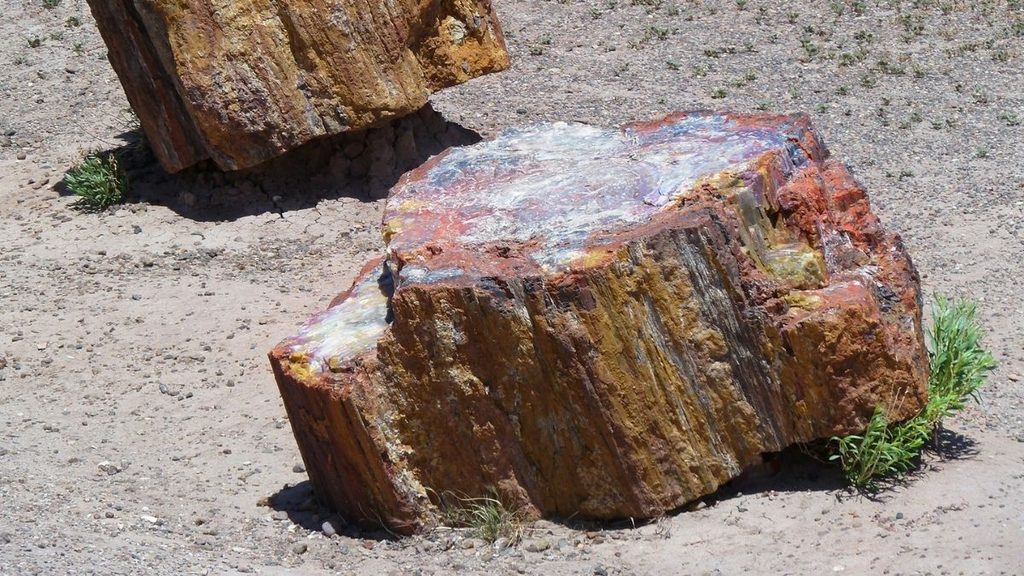
A beautiful rock beside your campsite may look like free RV decor. In most national parks, taking it is prohibited.
National Park Service regulations protect mineral resources, fossils, plants, wildlife, cultural objects, and other natural materials. NPS geology guidance says recreational collection of rocks and minerals is generally prohibited throughout the National Park System, with limited exceptions in certain locations.
The key issue is where the rock came from. A polished stone you legally bought at a store does not suddenly become illegal because you drive through a park. The problem is removing a protected natural object from park land and then keeping it in your RV.
When in doubt, leave natural materials at the campsite.
12. Shed Antlers and Nests Can Also Be Protected
Finding an antler lying on the ground can feel different from taking something from a living animal. On protected federal land, that difference does not automatically make collection legal.
National Park Service regulations prohibit removing or possessing wildlife and wildlife parts taken from their natural state, including examples such as antlers and nests.
Great Sand Dunes National Park makes the point especially clear in its 2026 visitor information. The park states that collecting shed antlers is prohibited within the park and preserve.
This rule is easy for RV travelers to miss because antlers are widely sold as legal decorations and craft materials. A legally purchased antler is one thing. Picking one up from protected park land is another.
13. Arrowheads and Old Artifacts Can Create a Serious Legal Problem
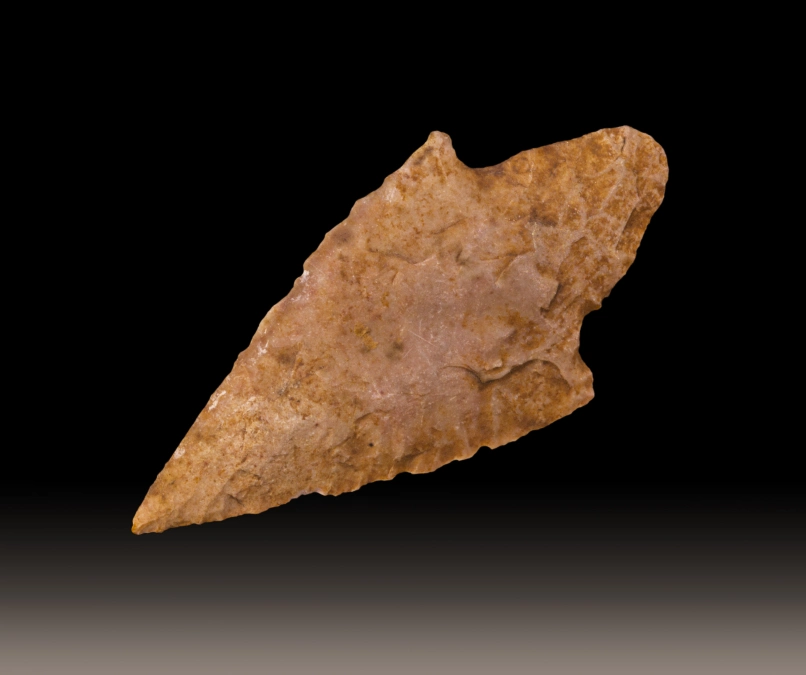
An arrowhead, pottery fragment, or old bottle found beside a remote campsite may look abandoned. On federal public land, age does not turn an archaeological object into a free souvenir.
The Bureau of Land Management says visitors may not collect ancient or historical artifacts from public lands. Its examples include arrowheads, stone flakes, pottery, potsherds, old bottles, historic equipment, and pieces of buildings.
National Park Service rules also protect archaeological and cultural resources. Yellowstone’s 2026 guidance specifically reminds visitors that removing or possessing resources such as arrowheads from the park is prohibited.
If you spot something that looks historic, photograph it without moving it. For something that appears important, record the location and tell the land agency.
14. A Metal Detector Has Special Rules Inside National Parks
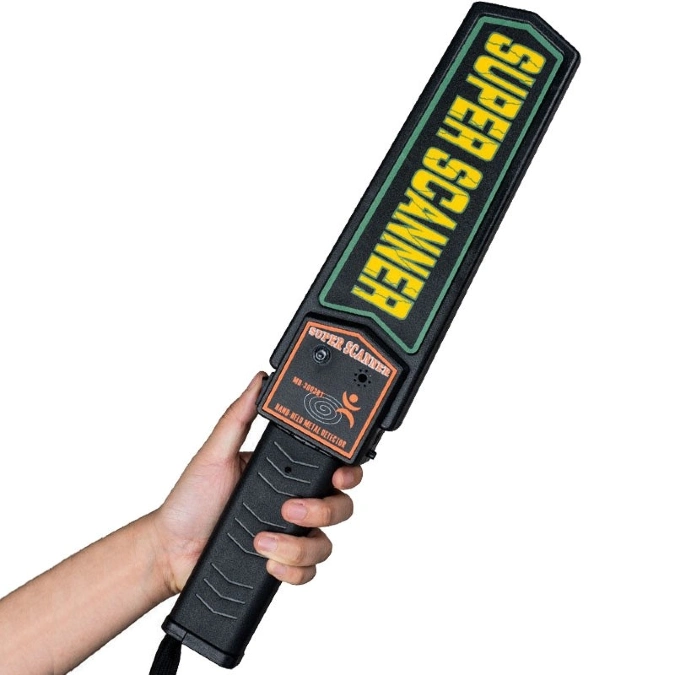
A metal detector may spend most of the year beside your fishing rods and camping chairs. Taking that hobby equipment into a national park requires more care.
Under 36 CFR 2.1, possessing or using a metal detector in a National Park Service area is generally prohibited. There is an important exception for a device that has been broken down and stored or packed so that it cannot be used while inside the park.
That makes storage important for RV owners. Leaving an assembled detector beside the door is very different from transporting a dismantled device packed away according to the regulation.
If a national park sits between you and your next detecting location, pack the equipment before entering and check that park’s current rules.
15. Food, Plants, and Soil Can Be Refused at the U.S. Border

RVers traveling through Canada or Mexico often return with groceries still in the refrigerator and plants sitting beside the window. U.S. agricultural rules can turn those ordinary items into border problems.
USDA APHIS requires travelers entering the United States to declare agricultural and wildlife products. Its 2026 guidance lists numerous fresh fruits and vegetables that may be prohibited or restricted. Travelers returning from Canada also face specific rules covering produce, seeds, greenery, and live plants.
Plants deserve special attention. APHIS says many plants require documentation, and plants entering from Canada must meet conditions involving certificates, approved growing media, inspections, and any required permits. Soil is separately regulated because it can carry pests and plant diseases.
The safest move is simple: declare everything agricultural. APHIS says travelers who declare their agricultural products will not face penalties merely because an inspector later determines that an item cannot enter.
| Item | Where the problem can arise |
|---|---|
| Marijuana | Federal lands and national parks |
| Fireworks | National parks and many local areas |
| Radar detector | Virginia highways |
| Speed jammer | States including Texas |
| Open alcohol | Vehicle passenger area |
| Certain toilet chemicals | California |
| Refilled disposable propane bottle | During transport |
| Untreated firewood | States including Maine and New York |
| Certain exotic pets | California and other states |
| Protected bird feathers | Federal law |
| Park rocks and minerals | National parks |
| Antlers and nests | National parks |
| Arrowheads and artifacts | Federal public lands |
| Metal detectors | National parks |
| Restricted food, plants, and soil | U.S. border crossings |